



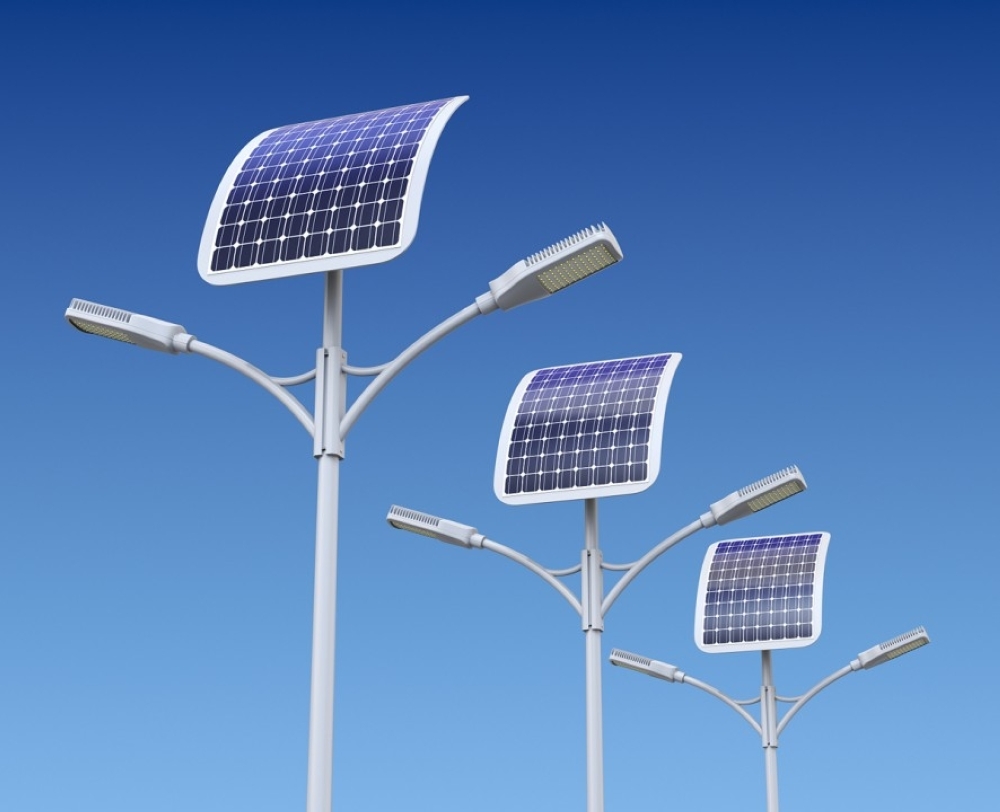





This project aims to improve energy efficiency, reduce operation and maintenance costs, support environmental sustainability, and promote the use of renewable energy technologies in the Sultanate of Oman.
The project will cover the Solar-Powered Street Lightings for the main roads in the Sultanate of Oman.
Solar streetlights use the sun’s energy to power outdoor streetlights. These solar lights use the strength of the sun through solar panels and transform it into electrical energy.
Solar-powered lighting is growing in popularity, as traditional electric street lights from the 19th century are starting to be replaced by LED solar grid-free street lights, which are quickly taking over as the new norm in street lighting.
Instead of burning fossil fuels, solar streetlights employ renewable energy, which lowers their carbon footprint and energy usage. Due to the lack of trenching for cables and external power sources, they minimize environmental impact during installation and maintenance.
Solar-powered street lights are better for the environment because the solar panels only need power from the sun and don’t release any carbon when they work.
Solar street lights utilize less energy, create better, more direct light, and last roughly seven times as long as conventional incandescent or high-pressure sodium (HPS) lights.
Due to the absence of external electrical requirements, monthly energy bills and maintenance expenses are reduced to a minimum. It leads to significant savings over the course of the light’s lifespan, and in most circumstances, it brings the light’s initial cost down to zero.
Solar lights are made up of high technologies that are designed to survive for a very long time with very minor maintenance for each functional component.
According to the International Energy Agency, solar energy will account for 16% of the world’s electricity by 2050.
Oman Observer is now on the WhatsApp channel. Click here


